
Malta's gastronomy reflects the islands themselves: Mediterranean at heart, but shaped over centuries by the many cultures that have passed through the country.
Italian and particularly Sicilian influences are easy to recognise, while elements of Arab and North African cuisine have also left their mark. At the same time, Malta has developed dishes, snacks and drinks that are unmistakably its own.
For visitors, discovering Maltese food doesn't necessarily mean sitting down for an elaborate meal.
Some of the best introductions to the local cuisine are incredibly simple: a hot pastizz from a neighbourhood pastizzeria, fresh Maltese bread covered with tomatoes and olive oil, a cold Cisk or Kinnie beside the sea, or an imqaret bought from a street vendor.
At the other end of the spectrum, Malta has developed an impressive fine-dining scene, with several restaurants now recognised by the Michelin Guide.
Maltese Snacks & Street Food
Some of Malta's most recognisable foods are also its simplest.
They are the foods found in pastizzerias, bakeries, cafés, village bars and small shops across Malta and Gozo.
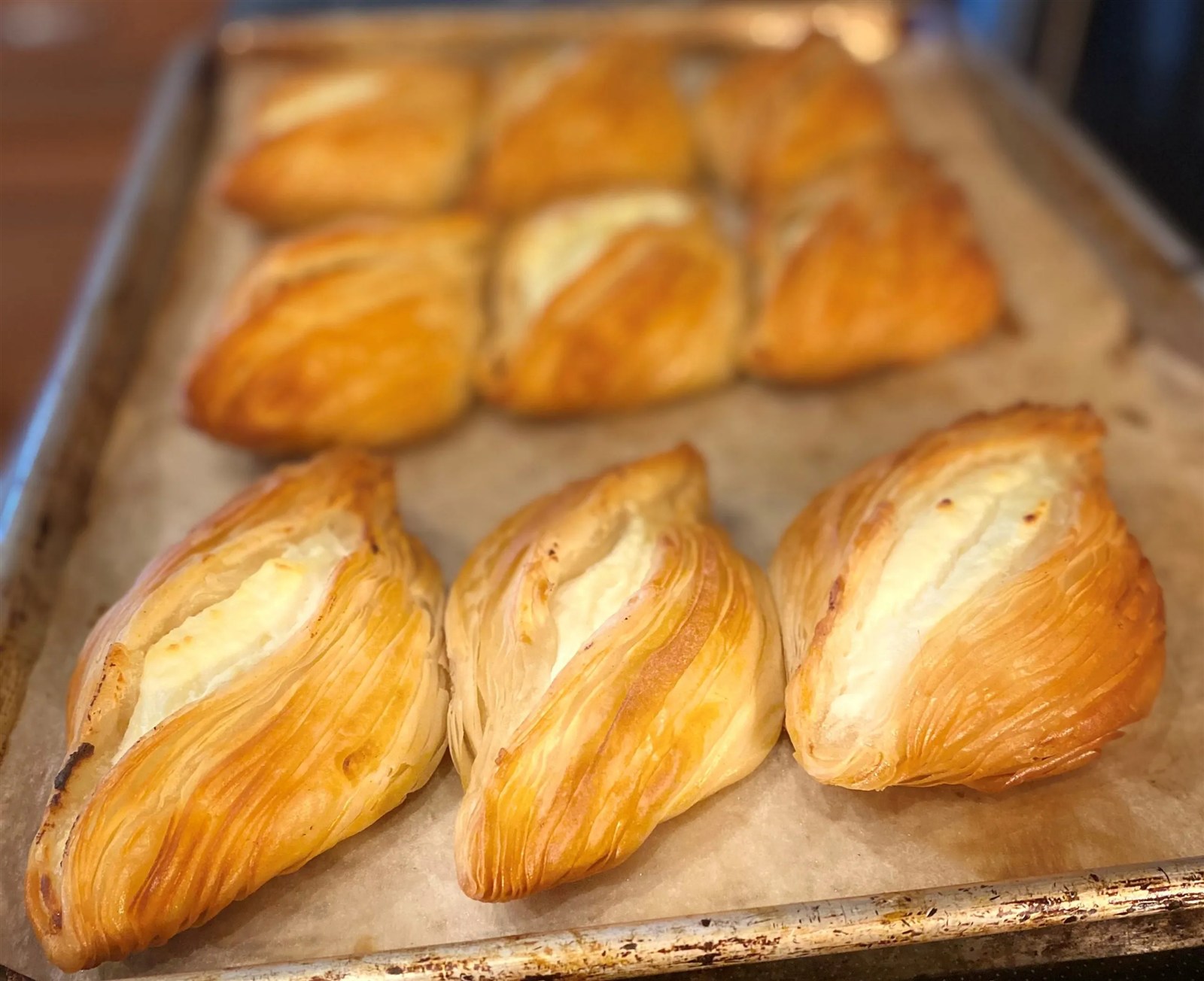
Pastizzi
Few foods are more closely associated with Malta than pastizzi.
These small pastries have a flaky, crisp exterior traditionally wrapped around either ricotta cheese or a pea filling.
They're inexpensive, filling and available almost everywhere.
The best way to try them is also the simplest: buy them freshly baked from a local pastizzeria and eat them while they're still hot.
Pastizzi aren't really something that needs to be turned into a sophisticated dining experience.
They are Maltese street food at its best.
Ftira
Ftira is another staple of Maltese cuisine.
The traditional Maltese bread has a distinctive shape and texture and can be filled or topped with ingredients such as tomatoes, olives, capers, tuna and olive oil.
There is also the Gozitan ftira, which is usually served more like a flatbread or pizza with toppings.
It's simple food, but exactly the kind of thing worth trying when exploring Malta.
Ħobż biż-Żejt
Another classic is ħobż biż-żejt.
Literally meaning bread with oil, the dish usually starts with crusty Maltese bread rubbed or spread with tomatoes and dressed with olive oil.
Ingredients such as tuna, capers, olives, onions and herbs can then be added.
There are countless variations depending on where you buy it or who makes it.
A good ħobż biż-żejt demonstrates how something made from very simple ingredients can become one of Malta's most satisfying snacks.
Bigilla
Bigilla is a traditional Maltese bean dip, usually made using dried broad beans together with garlic, herbs and seasoning.
It is commonly served as an appetiser accompanied by bread, crackers or galletti – traditional Maltese water biscuits.
It may not have the international recognition of pastizzi, but it is one of the foods worth seeking out when trying traditional Maltese cuisine.
Ġbejniet
Small Maltese and Gozitan cheeses known as ġbejniet are another important part of the islands' food culture.
Traditionally made from sheep's or goat's milk, they can be eaten fresh, dried or peppered.
Different versions can taste surprisingly different from one another.
Fresh ġbejna tends to be mild and soft, while dried and peppered varieties develop considerably stronger flavours.
They can be eaten alone, included on a platter or used as an ingredient in traditional Maltese dishes.
Traditional Maltese Main Dishes
Maltese cooking becomes considerably heartier when moving from snacks to traditional main courses.
Slow-cooked meat, seafood, rich sauces and soups feature heavily.
Stuffat tal-Fenek
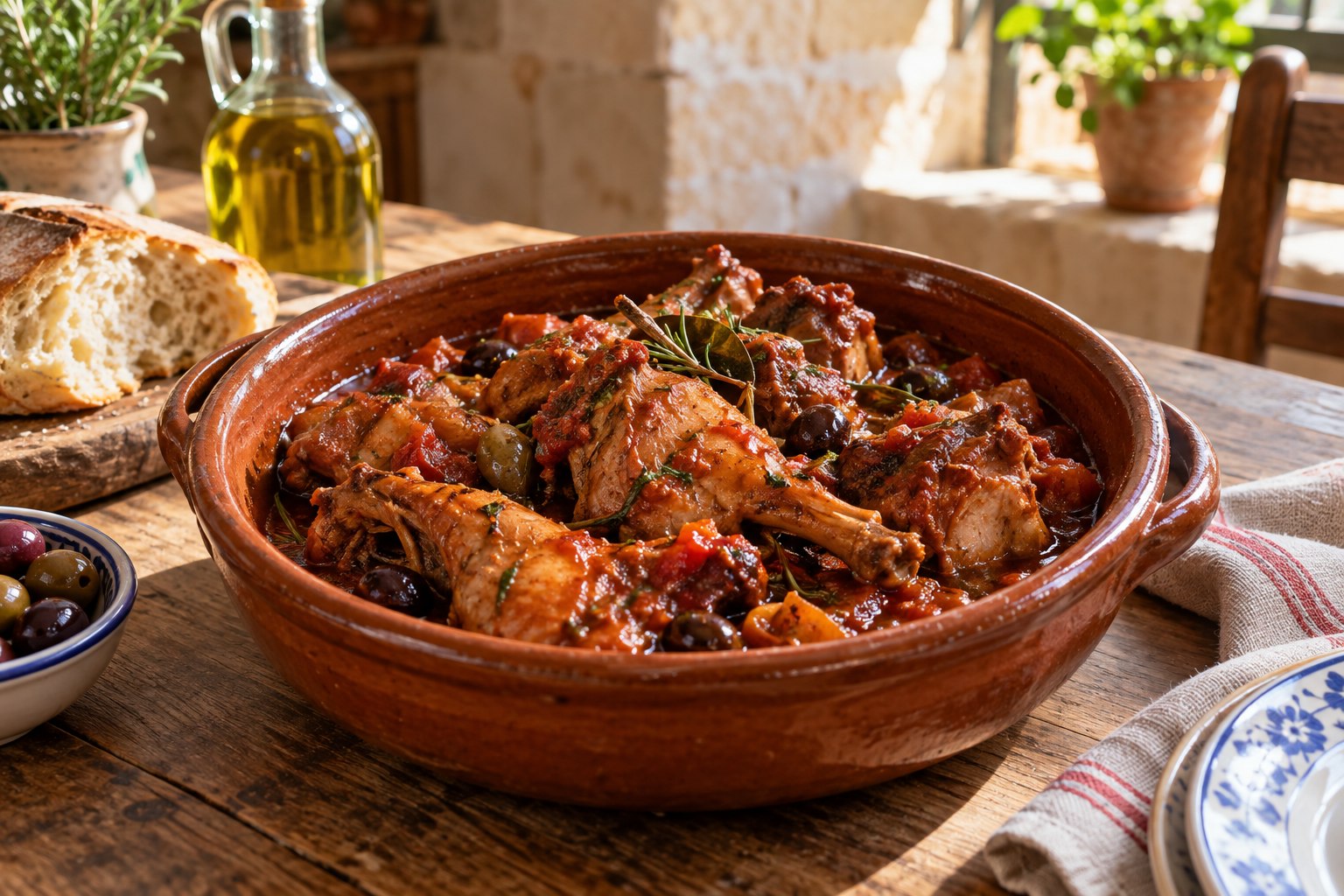
Perhaps the most famous Maltese main course is stuffat tal-fenek – rabbit stew.
Rabbit has a particularly strong association with Maltese cuisine and is traditionally slowly cooked until tender in a rich sauce commonly incorporating wine, tomatoes, garlic and herbs.
A traditional rabbit meal can extend beyond the stew itself, with the sauce sometimes first served with pasta before the rabbit arrives as the main course.
For anyone wanting to experience traditional Maltese cooking rather than just snacks and pastries, rabbit is one of the obvious dishes to try.
Stuffat tal-Qarnit
Being surrounded by the Mediterranean naturally means seafood plays an important part in Maltese cooking.
Stuffat tal-qarnit, or octopus stew, is one of the classics.
Octopus is slowly cooked in a rich sauce until tender, producing the type of substantial dish associated with traditional home cooking.
It is particularly worth looking for in restaurants specialising in Maltese cuisine and seafood.
Bragioli
Despite sometimes being called "beef olives", bragioli don't contain olives in the way the name might suggest.
Thin pieces of beef are wrapped around a seasoned filling before being slowly cooked in sauce.
The result is another rich, comforting dish that represents the heavier side of traditional Maltese cuisine.
Aljotta
For something based around Malta's relationship with the sea, there is aljotta.
This traditional Maltese fish soup combines fish with ingredients such as tomatoes, garlic, herbs and rice.
Recipes naturally vary, particularly according to the fish available.
It's a simple dish with strong Mediterranean character and another good example of Malta's seafood tradition.
Maltese Sweets
Imqaret
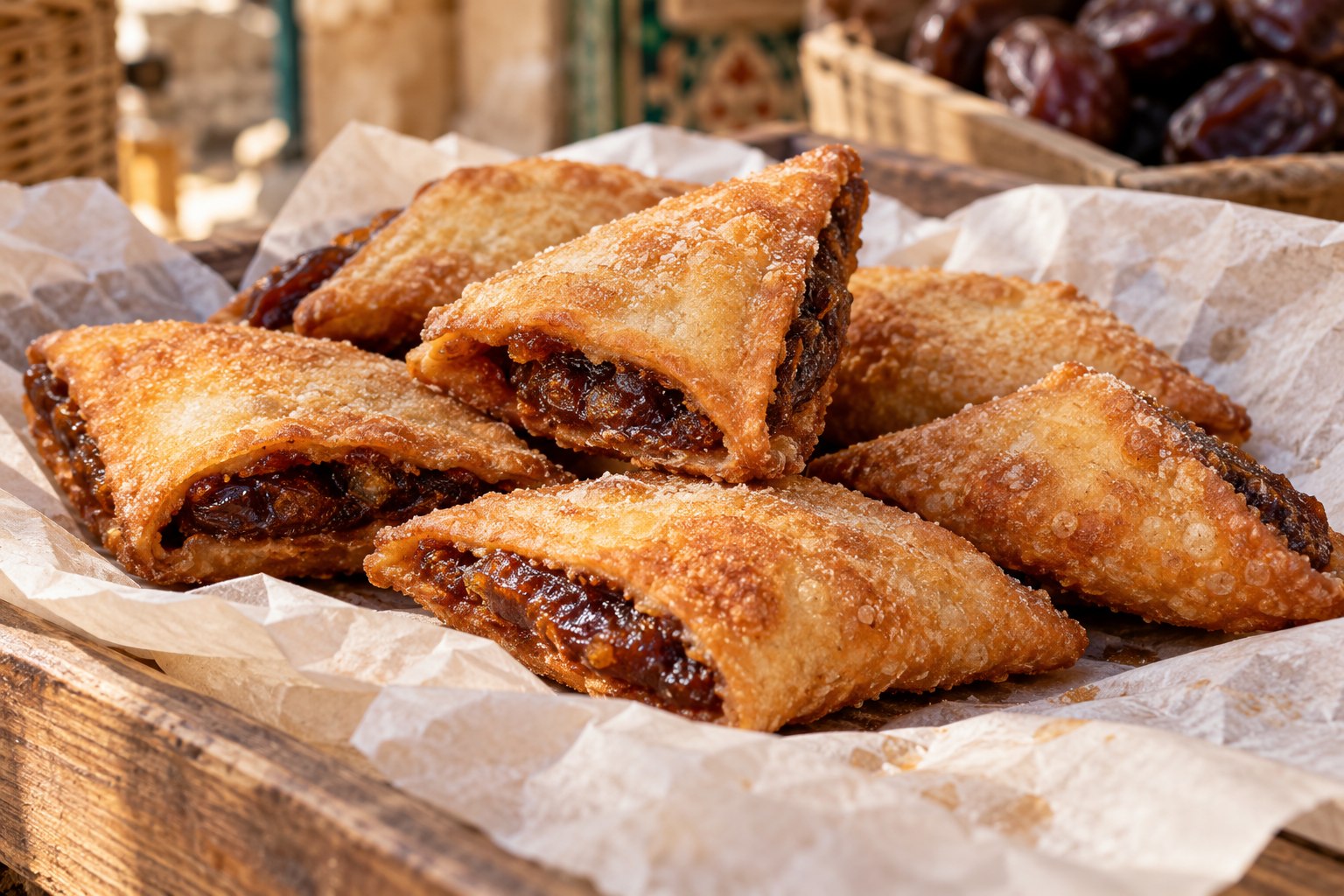
One Maltese sweet I would particularly recommend trying is imqaret.
These diamond-shaped pastries are filled with a spiced date mixture before being fried.
They are particularly good when served warm.
Imqaret are often found at markets, festivals, village festas and street-food stalls, making them an easy dessert or snack to pick up while exploring the islands.
Their date filling also hints at the North African and Arab influences that form part of Malta's culinary heritage.
Maltese Beer
Malta may be small, but there is a surprisingly varied local beer scene.
Cisk
The name most visitors will quickly encounter is Cisk.
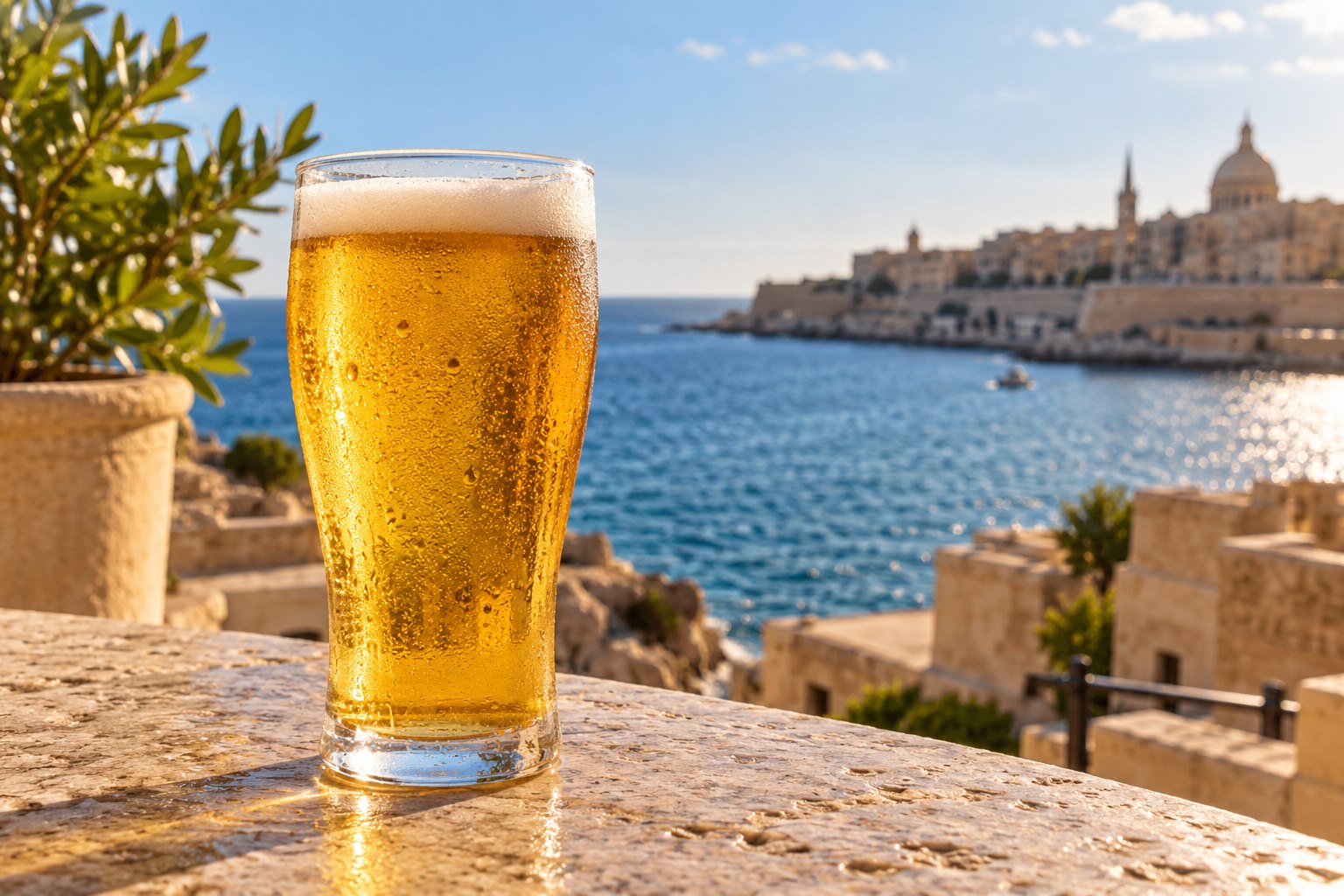
The classic Cisk Lager is Malta's best-known beer and can be found practically everywhere, from restaurants and bars to village clubs and beachside kiosks.
There is also Cisk Excel, providing another option within the range.
For many visitors, having a cold Cisk while sitting somewhere overlooking the Mediterranean becomes almost as much a part of visiting Malta as trying pastizzi.
Blue Label Ale
Blue Label Ale provides something different from the classic lager.
Its darker colour and more pronounced character make it an alternative for anyone wanting to explore beyond Cisk.
Hopleaf Pale Ale
Another long-established Maltese beer is Hopleaf Pale Ale.
Together, Cisk, Blue Label and Hopleaf provide a good introduction to Malta's traditional brewing brands.
Malta's Craft Beer Scene
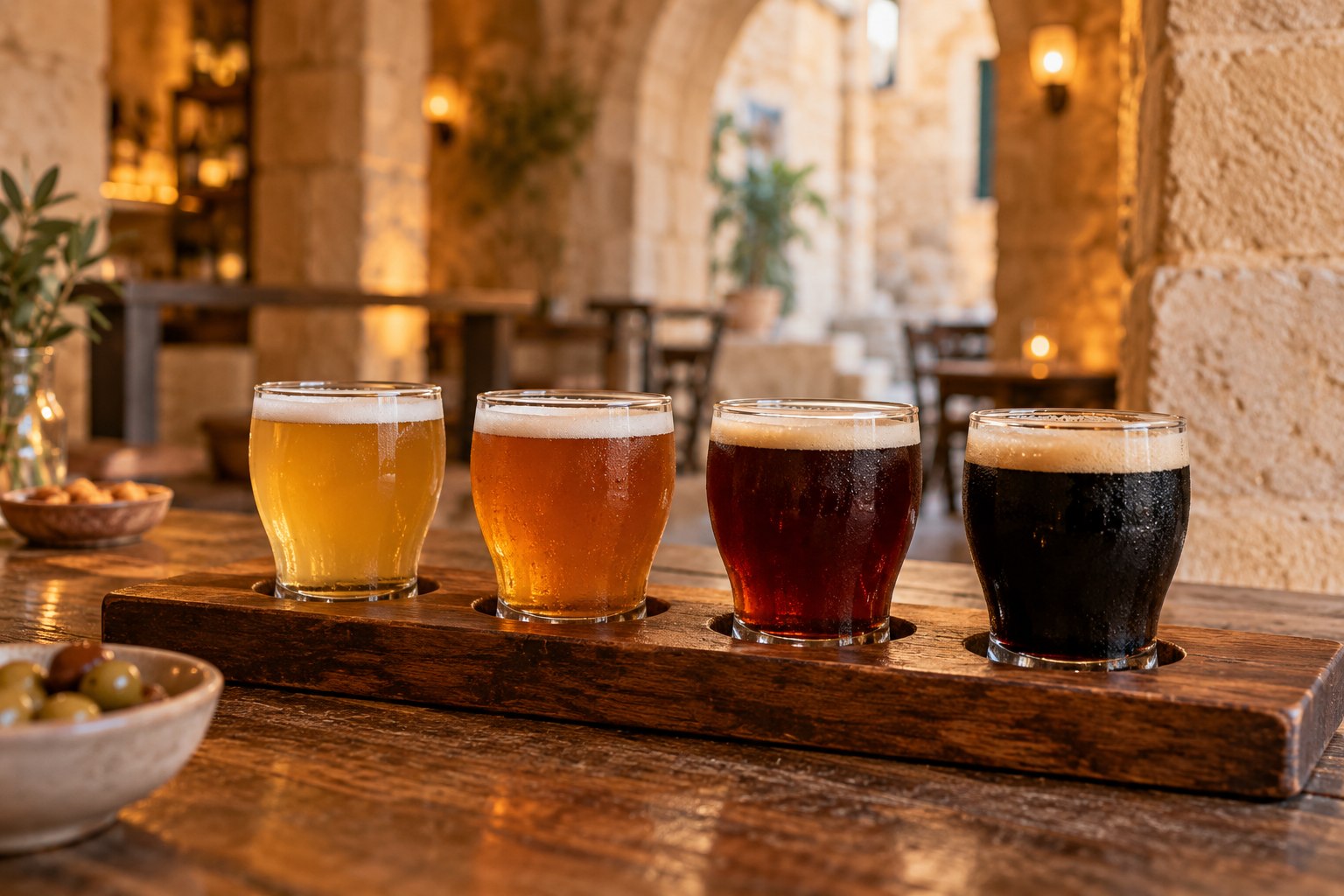
Malta also has a growing craft-beer culture.
Lord Chambray
One of the best-known names is Lord Chambray, based on the island of Gozo.
The brewery produces a range of different styles rather than concentrating on a single lager, making it a good starting point for exploring Maltese craft beer.
Stretta Craft Beer
Stretta Craft Beer is another name associated with Malta's modern brewing scene.
The name itself references Valletta's famous Strait Street, locally known as Strada Stretta.
Huskie Craft Beer
Huskie Craft Beer adds another local option for anyone interested in discovering Maltese beers beyond the larger commercial brands.
Trying a few local craft beers alongside the established Cisk, Hopleaf and Blue Label provides a much broader picture of brewing in Malta.
Kinnie – Malta's Unique Soft Drink
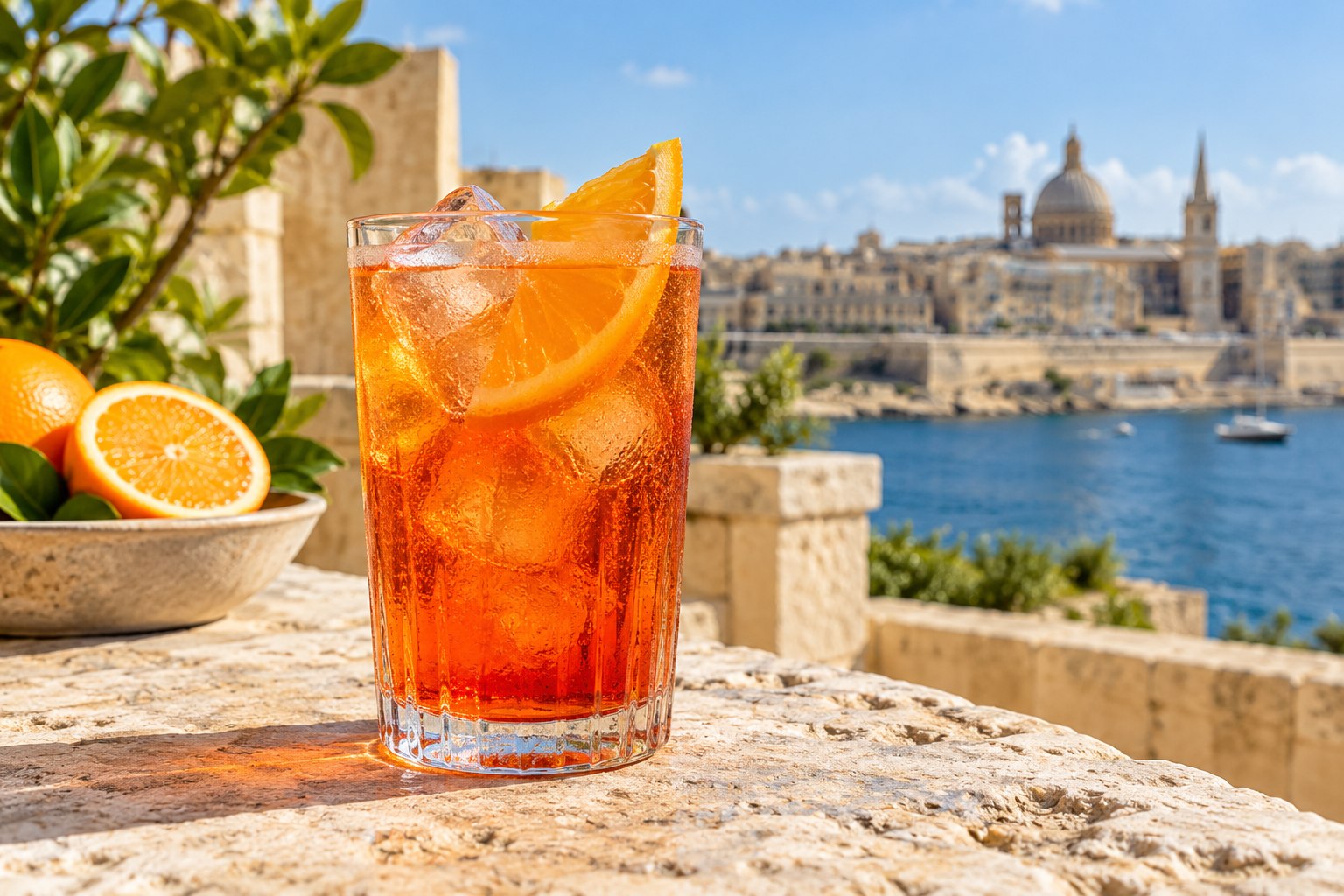
Not everything needs to contain alcohol.
No introduction to Maltese drinks would be complete without Kinnie.
This bittersweet carbonated drink is produced using bitter oranges and aromatic herbs.
It is difficult to directly compare it with most conventional soft drinks.
The slightly bitter taste can take newcomers by surprise, and it tends to be one of those drinks people either immediately enjoy or need a little time to appreciate.
Either way, it is unmistakably Maltese and worth trying at least once.
Served cold with ice and a slice of orange, it is particularly refreshing during Malta's hot summer months.
Maltese Wine
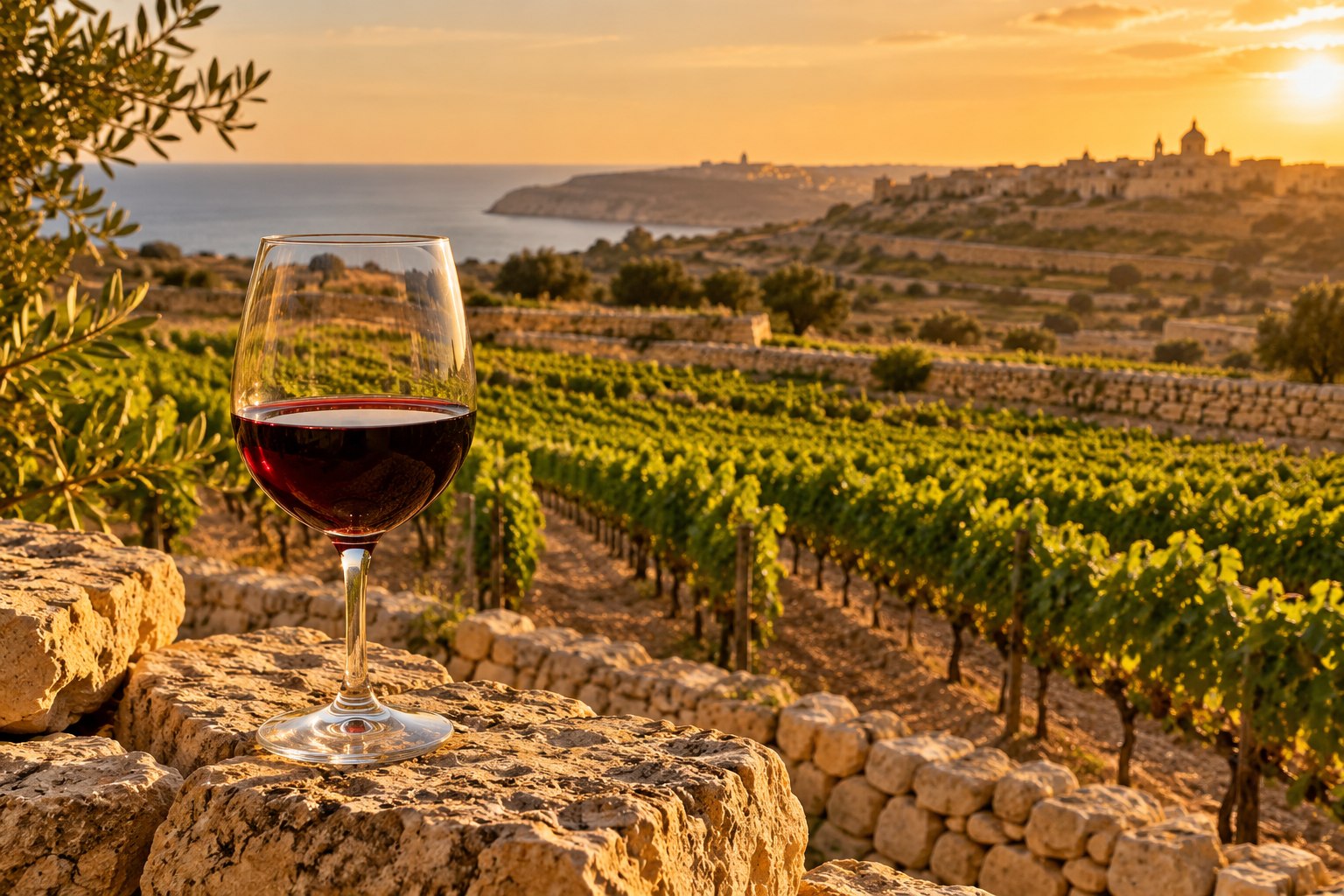
Wine production has a long history on the Maltese Islands, and visitors interested in local gastronomy shouldn't overlook the country's wineries.
Three of the most recognisable names are Delicata, Meridiana and Marsovin.
Delicata
Delicata is one of Malta's established wine producers and produces a broad range of local wines.
Meridiana
Meridiana has developed a strong reputation for wines produced from its Maltese estate and is another name worth looking for on local wine lists.
Marsovin
Marsovin is one of Malta's best-known wineries and produces everything from accessible everyday wines to more premium labels.
When choosing Maltese wine, it is particularly interesting to look for bottles produced using indigenous grape varieties such as Girgentina and Ġellewża.
These provide an opportunity to try something genuinely connected with the islands rather than simply drinking familiar international varieties grown in Malta.
Michelin-Starred Dining in Malta
Traditional Maltese gastronomy may begin with pastizzi and ħobż biż-żejt, but the country's modern food scene now extends all the way to Michelin-starred fine dining.
Malta currently has restaurants recognised with both one and two Michelin stars.
ION Harbour by Simon Rogan
Located in Valletta, ION Harbour by Simon Rogan sits at the top of Malta's Michelin scene with two Michelin stars.
The restaurant combines contemporary cooking with a strong emphasis on ingredients and seasonality.
Its elevated location also provides spectacular views across Valletta's Grand Harbour.
For visitors looking for the highest level of fine dining currently available on the Maltese Islands, ION Harbour represents a completely different experience from Malta's traditional restaurants.
De Mondion
De Mondion occupies an exceptional setting within the historic city of Mdina.
The restaurant holds one Michelin star and combines fine dining with views from one of Malta's most atmospheric locations.
A meal here can easily become part of a wider evening exploring Mdina after the daytime crowds have disappeared.
Under Grain
In Valletta, Under Grain holds one Michelin star.
Its concept draws inspiration from tailoring, reflected in both its design and presentation.
The restaurant demonstrates just how far Valletta's restaurant scene has developed, with modern fine dining now sitting alongside the capital's traditional cafés, bars and Maltese restaurants.
Noni
Also in Valletta is Noni, another one-Michelin-starred restaurant.
Its approach combines contemporary cooking with influences from Malta and the Mediterranean.
With several Michelin-recognised restaurants within the capital, Valletta has become one of the easiest places to combine sightseeing with Malta's modern fine-dining scene.
Fernandõ Gastrotheque
Located in Sliema, Fernandõ Gastrotheque holds one Michelin star.
The restaurant focuses on refined Mediterranean cuisine and carefully selected ingredients, accompanied by a strong emphasis on wine.
Rosamì
Rosamì, in St Julian's, also holds one Michelin star.
Its setting in a Maltese villa overlooking Balluta Bay adds considerably to the dining experience.
The restaurant focuses on creative cuisine while drawing inspiration from Mediterranean ingredients.
Bahia
Bahia, in Balzan, remains recognised by the Michelin Guide and offers creative cuisine.
It previously held a Michelin star but is currently listed in the Guide's selected restaurants rather than among Malta's seven Michelin-starred establishments.
It nevertheless remains part of Malta's wider fine-dining landscape.
From Pastizzi to Michelin Stars
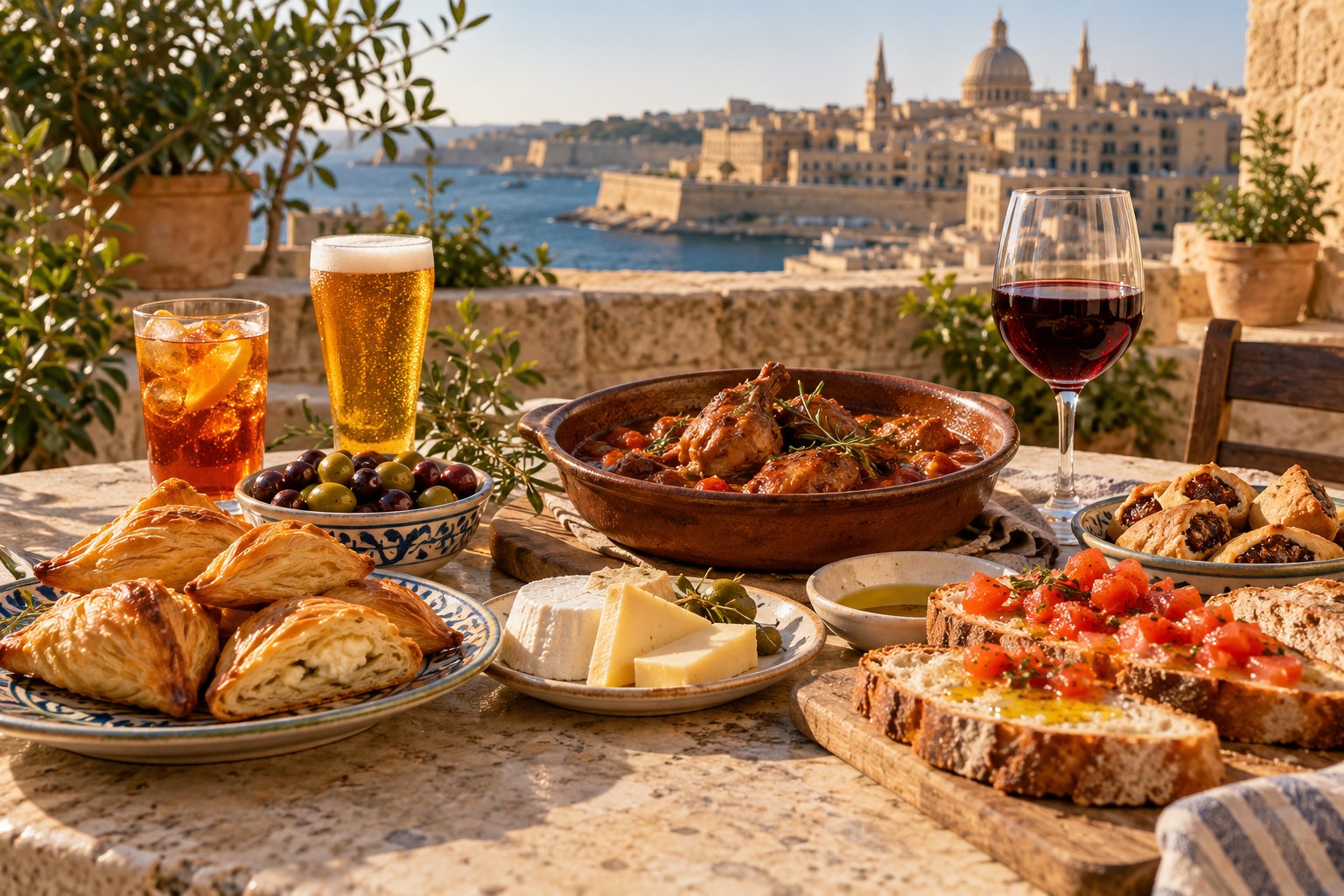
One of the most interesting things about eating in Malta is the enormous range available within such a small country.
At its simplest, Maltese gastronomy can mean buying two hot pastizzi from a neighbourhood pastizzeria.
It can mean sitting beside the sea with ħobż biż-żejt and a cold Cisk, sharing bigilla and ġbejniet before dinner, or stopping for warm imqaret at a village festa.
Traditional restaurants introduce the heavier side of Maltese cooking through stuffat tal-fenek, stuffat tal-qarnit, bragioli and aljotta.
Local drinks provide another journey through Malta, from Kinnie and Cisk to craft breweries and wines produced by Delicata, Meridiana and Marsovin.
And today, the same islands also support a serious fine-dining scene recognised internationally by the Michelin Guide.
That contrast is what makes exploring Malta through food particularly interesting.
You don't need to choose between traditional and modern Maltese gastronomy.
Try the pastizzi. Drink the Kinnie. Order the rabbit. Taste the local wine. Explore the craft beers. And, if the opportunity arises, experience what Malta's chefs are doing at the very highest level.