
Malta History
British Period and Modern Era
From imperial stronghold to independent republic
British rule, wartime endurance and constitutional change carried Malta into independence and its modern European chapter.
Britain took control of Malta in 1800, and the Treaty of Paris formally confirmed the islands as a British possession in 1814. Malta’s harbours became an important naval and commercial base linking Europe with routes to North Africa and Asia. British administration also reshaped public institutions, education, infrastructure and the long debate over language and representative government.
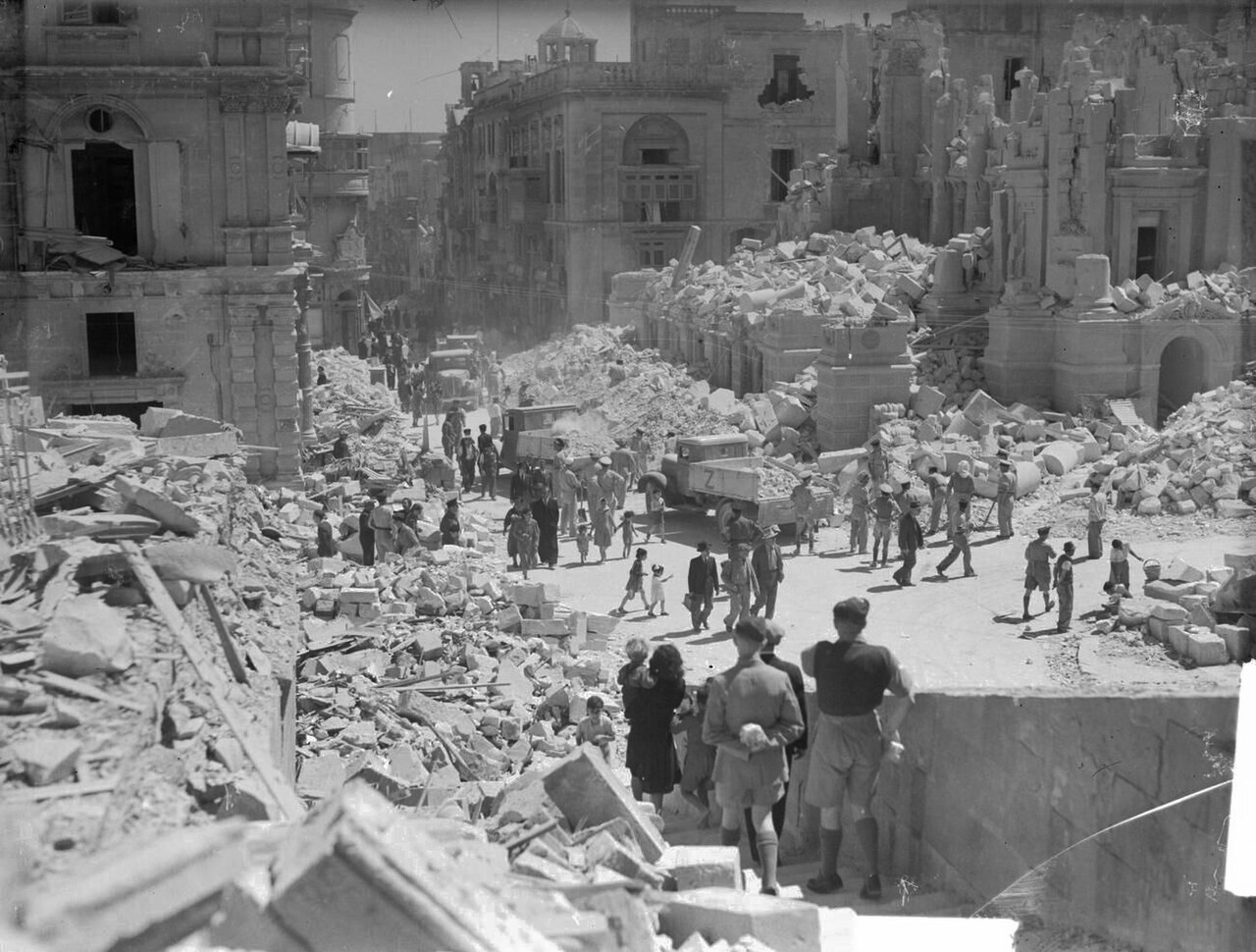
Malta’s strategic position made it a major target during the Second World War. The islands endured a prolonged air campaign and severe shortages while serving as a base for Allied operations in the Mediterranean. King George VI awarded the George Cross to the people of Malta in 1942; the emblem later became part of the national flag.
Malta achieved independence on 21 September 1964 and became a republic on 13 December 1974. The last British military forces left on 31 March 1979. Since then, the country has developed as a parliamentary republic, joined the European Union in 2004 and adopted the euro in 2008, while continuing to balance a strong national identity with its central Mediterranean connections.
British Malta • Second World War • Independence • Republic • European Union
← Back to History