
Malta History
Medieval Period
An island shaped by the central Mediterranean
Byzantine, Arab and European rule transformed Malta’s language, settlement pattern and fortified towns during the medieval centuries.
After the division of the Roman Empire, Malta formed part of the Byzantine world. Arab forces captured the islands in 870, beginning a period that left a deep imprint on language and daily life. Maltese developed from a form of medieval Arabic, while new crops, irrigation methods and place-names connected the islands to Sicily and North Africa.
Norman rule began after 1091 and gradually drew Malta into the County, and later the Kingdom, of Sicily. The islands passed through the hands of successive dynasties and feudal lords, including the Swabians, Angevins and Aragonese. Christianity again became the dominant religion, while Malta remained culturally and commercially tied to the wider Mediterranean.
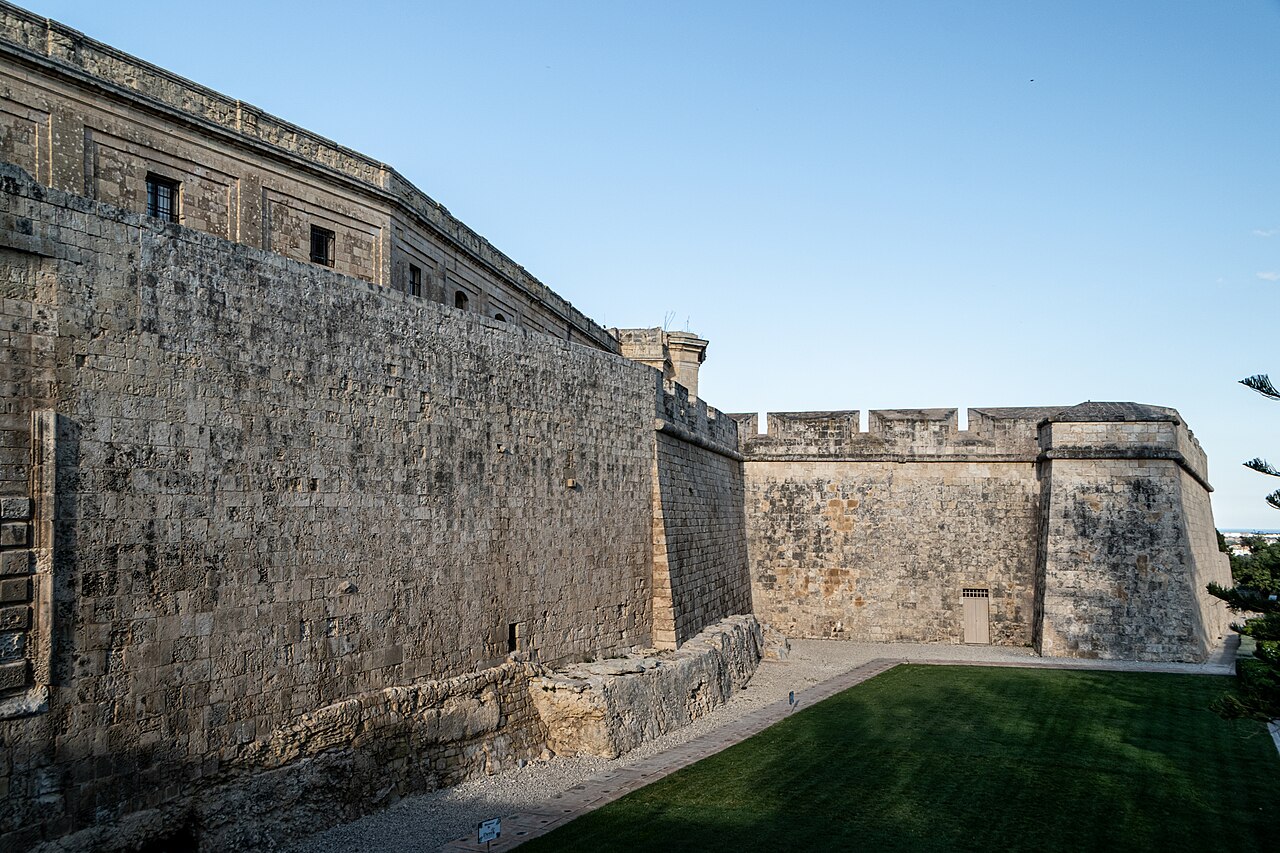
Mdina served as the principal fortified town and administrative centre. Its walls protected a dense settlement of noble houses, churches and narrow streets, while the harbour communities supported trade and defence. The medieval period ended in 1530, when Emperor Charles V granted Malta and Gozo to the Order of St John.
Byzantine Malta • Arab influence • Norman and Aragonese rule • Medieval Mdina
← Back to History